
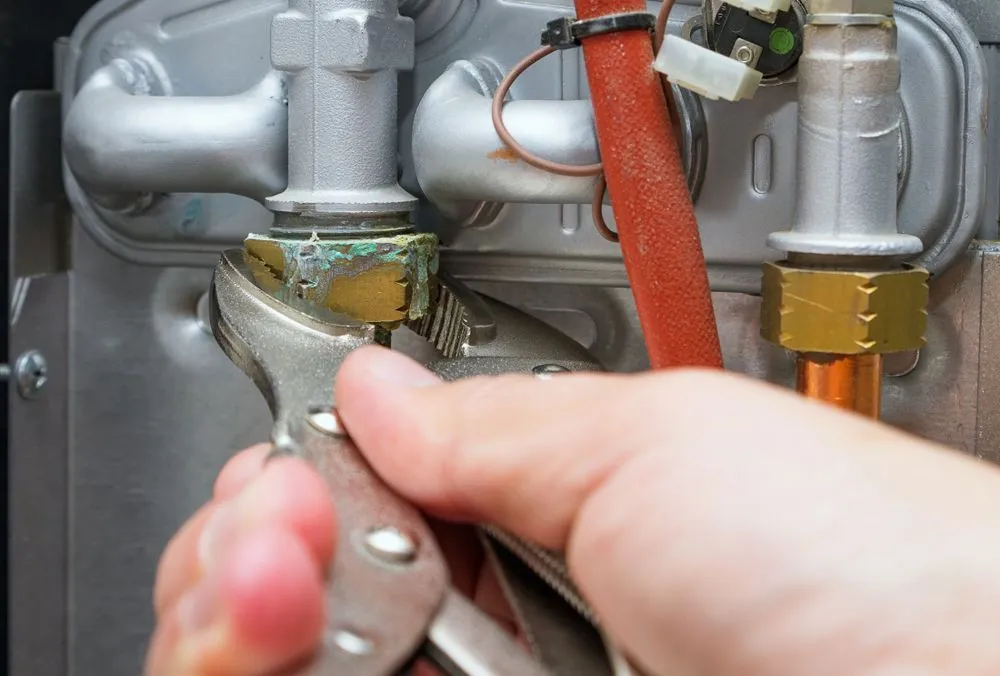
Installing gas appliances in your home is a smart investment—whether you’re adding a new hot water system, switching to a gas cooktop, or upgrading your heating. But for homeowners in Coffs Harbour, it’s not just about convenience and cost-efficiency. It’s about ensuring that the work is performed safely, legally, and effectively. With strict standards around gas fitting and a real emphasis on safety, understanding what’s involved in gas appliance installation can help you make better decisions and protect your household.
Let’s take a look at what you should know before, during, and after installing gas appliances in your home.
Why Licensed Gas Fitters are Essential for Home Appliance Installation
Gas is a highly combustible resource, and when installed incorrectly, it can lead to serious consequences, including fire, explosion, or carbon monoxide poisoning. That’s why only licensed gas fitters are permitted to handle gas appliance installation and repair in New South Wales.
Here’s why using a qualified gas fitter isn’t just the smart choice—it’s the law:
- Legal requirement: NSW Fair Trading mandates that gas fitting work be carried out by licensed professionals.
- Safety assurance: Licensed gas fitters are trained to detect and prevent gas leaks.
- Certification and insurance: Reputable tradespeople issue a Certificate of Compliance upon job completion.
- Peace of mind: You know the work meets Australian safety standards and local codes.
Choosing the Right Gas Appliances for Your Home Setup
Not all gas appliances are created equal, and the “best” choice depends on the needs of your household. Whether it’s a continuous flow hot water unit or a freestanding cooktop, choosing appliances compatible with your gas system and household usage will help you get the most value.
When selecting gas appliances, consider the following:
- Energy rating: Look for units that are energy-efficient and suitable for your household size.
- Connection type: Make sure the appliance is compatible with natural gas or LPG, depending on your supply.
- Space requirements: Measure the area to ensure the appliance fits without modifying cabinets or ventilation.
- Warranty & support: Choose appliances backed by a strong manufacturer’s warranty and good customer support.
Understanding the Installation Process for New Gas Appliances
Knowing what to expect can reduce stress and help you prepare your home for a smooth installation. A licensed gas fitter will carry out a series of steps to ensure the appliance is safely and properly connected.
Typical installation steps include:
- Pre-inspection: Check existing gas lines, valves, and compliance requirements.
- Line extension or modification: Extend or adjust gas piping if the new appliance is in a different location.
- Connection and fitting: Securely connect the appliance to the gas line and verify pressure compatibility.
- Leak testing: Conduct pressure testing to check for leaks at joints and fittings.
- Ventilation checks: Ensure the appliance meets airflow and exhaust standards.
- Commissioning: Test the appliance in real-time to confirm it’s operating as intended.
Upgrading from Electric to Gas: What You Need to Know
Switching from electric to gas appliances is increasingly popular thanks to faster cooking, more reliable hot water, and lower ongoing costs. However, it’s not just a case of unplugging one and installing another.
Here’s what’s typically involved in making the switch:
- Gas connection assessment: Your gas fitter will confirm whether you’re connected to natural gas or if you’ll need an LPG solution.
- New piping: Gas appliances require a dedicated and safely installed gas line, even if electricity is already in place.
- Appliance compatibility: Some dual-fuel appliances may require both gas and electricity—especially ovens or heaters.
- Ventilation upgrades: You may need to add or upgrade ventilation systems for some gas appliances.
Ensuring Proper Ventilation for Indoor Gas Appliances
Ventilation is a critical factor in gas appliance safety. Appliances like gas heaters or cooktops produce combustion by-products—including potentially dangerous carbon monoxide—which must be safely vented out of the living space.
Key considerations for proper ventilation:
- Room size & airflow: Some appliances are only suitable for larger, well-ventilated spaces.
- Flue installation: Room heaters and certain gas hot water systems may require a flue to carry exhaust outdoors.
- Natural vs mechanical ventilation: Homes with sealed windows or high insulation may need exhaust fans or vents.
- Clearances: Appliances must be installed away from curtains, cabinetry, or other combustible materials.
Compliance with Local Codes and Australian Standards
Gas appliance installations are governed by strict codes designed to protect lives and property. Every aspect—from the size of the gas piping to the placement of the appliance—must comply with local regulations and Australian Standards (AS/NZS 5601).
What compliance involves:
- Sizing of gas lines and regulators
- Location requirements for certain appliances
- Mandatory testing procedures
- Installation of safety devices like isolation valves
- Documentation and certification of work
Licensed gas fitters stay current with regulatory updates and ensure your installation won’t cause problems down the line.
Post-installation Checks and Ongoing Gas Safety at Home
Once your new gas appliance is in place, it’s not just “set and forget.” Ongoing safety requires regular checks and attention to changes in performance, smell, or sound.
Best practices for maintaining gas safety:
- Get regular servicing: Annual or biennial servicing keeps appliances operating efficiently and safely.
- Monitor for gas odours: A rotten egg smell could indicate a leak—turn off the gas and call a licensed fitter.
- Test ignition systems and pilot lights: Ensure they light reliably and stay lit.
- Check for signs of incomplete combustion: Yellow flames or soot buildup are red flags.
If in doubt, shut off the appliance and call a gas professional for a safety inspection.
Common Signs Your Existing Gas Appliance Needs Replacing
Even well-maintained gas appliances have a lifespan. Continuing to use old or damaged units can lead to safety risks, inefficiency, or complete breakdown.
Watch for these signs that a replacement is due:
- Inconsistent flame colour (yellow or orange instead of blue)
- Unusual smells or sounds during operation
- Poor performance, such as weak hot water or uneven heating
- Increased energy bills with no change in usage
- Age over 10–15 years, depending on the appliance type
Connect with Our Licensed Gas Fitters Now
If you’re planning a gas appliance upgrade, new installation, or just want to check your home’s gas safety, get in touch with us at Emerald Beach Plumbing. We offer licensed gas fitting in Coffs Harbour and nearby suburbs, ensuring all work meets the highest safety and compliance standards.
Whether you’re converting from electric to gas or simply need expert advice, give us a call or book a consultation online today.