
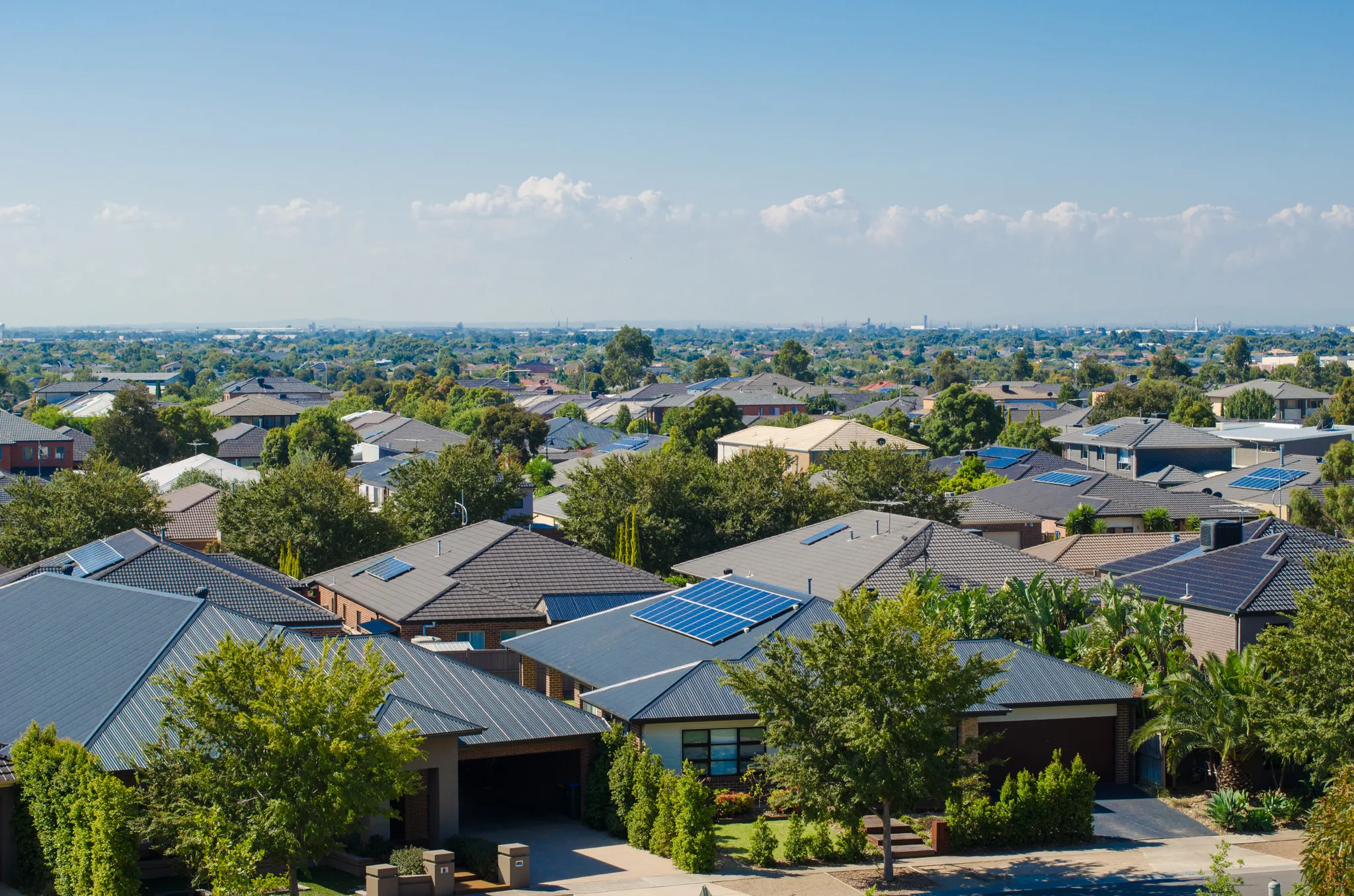
Storm season on the Coffs Coast has a way of finding every weak point in a roof. If your metal roofing is showing its age, the months before the first big storm are the time to decide whether a repair will see it through or whether it’s time to replace. Here’s how to tell the difference, and what a licensed roof plumbing team actually checks for.
A metal roof is built to last decades, but on the Coffs Coast it works harder than most. Salt air, heavy summer downpours and long stretches of intense sun all chip away at roofing, flashings and fasteners over time, and the damage often stays out of sight until water finds its way into the ceiling below. By then what could have been a manageable roof repair can have turned into a much bigger job.
Most roof problems give you warning signs well before they fail. Spotting them early, ideally before Coffs Harbour, Sawtell and Woolgoolga move into storm season, is what keeps a manageable repair from becoming a full replacement.
This guide covers how the local climate wears roofs down, the signs your metal roof needs attention, how to weigh up roof repairs against replacement, and why this is work for a licensed roof plumber rather than a general handyman.
Quick summary
- Salt air, storm-season rainfall and constant sun age metal roofs faster on the Coffs Coast than in drier inland areas.
- Watch for the key signs: visible rust or corrosion, leaks during heavy rain, damaged, loose or missing sheets, and water stains spreading across ceilings.
- Localised damage can usually be repaired. Widespread rust, multiple leaks or significant warping across the roof points towards replacement.
- Roof plumbing is licensed work covering the water-management parts of a roof, and it’s a different trade to general roofing.
- Emerald Beach Plumbing handles inspections with photographic documentation, matched-material repairs, Colorbond replacement and insurance work, but does not install brand-new roofs.
How the Coffs Coast Climate Affects Metal Roofs
The same metal roof will age very differently depending on where it sits. On the Coffs Coast, three local factors combine to wear roofing down faster than the manufacturer’s lifespan might suggest.
Salt Air Corrosion
Airborne salt is one of the biggest enemies of metal roofing, and it doesn’t stay at the water’s edge. Homes well back from the beach around Emerald Beach and Nambucca Heads still cop enough salt to speed up rust on roof sheeting, screws, flashings and gutters. It often shows up first at fasteners and cut edges, where the protective coating is thinnest.
Heavy Rainfall and Storm Season Stress
Storm season on the Mid North Coast runs roughly from October to March, bringing intense downpours and strong winds that test every seam, screw and flashing on a roof. Wind can lift poorly fixed or corroded sheets, while driving rain finds any gap a lighter shower would never reach. A roof that copes fine with everyday rain can still fail under a proper storm.
Sun and Heat Exposure Over Time
Years of strong UV and heat slowly break down protective coatings and sealants. The daily cycle of expansion and contraction as the roof heats up and cools down also works fasteners loose and opens up small gaps around flashings and penetrations, all of which give water somewhere to get in once the coating has worn thin.
Signs Your Metal Roof Needs Repair
Metal roofs rarely fail without warning. These are the four signs worth acting on before the next big storm.
Visible Rust or Corrosion
Rust spots, flaking coating or a reddish-brown stain running down from screws and seams are a clear sign the protective surface has broken down. Left alone, rust spreads and eventually eats through the sheet, so it’s far cheaper to treat early than to replace corroded roofing later.
Leaks During Heavy Rain
A roof that only leaks in a serious downpour is still a roof that leaks. Intermittent leaks like this often trace back to a failed flashing, a lifted sheet or a corroded fastener, and they tend to get worse each storm. The fact that it stays dry between times doesn’t mean the problem has gone away.
Damaged, Loose or Missing Sheets
Sheets that have lifted at the edge, come loose at the fixings or gone missing entirely after a windy night are an obvious weak point, and one that a storm will exploit quickly. Even a slightly lifted sheet lets wind get underneath and driving rain get in.
Water Stains on Ceilings
Brown stains or damp patches on ceilings and cornices are often the first sign of a roof problem that you notice from inside the house. Because water travels along the framing before it drips, the stain can show up well away from where the water is actually getting in, which is part of why tracing a roof leak is a job for someone who knows where to look.
What a Roof Plumber Actually Does
Roof plumbing is a licensed trade in its own right, focused on the parts of a roof that manage water. It’s worth understanding what that covers before you book work in.
Repairing Metal Roofing, Fascias and Downpipes
A roof plumber repairs and replaces metal roof sheeting, fascias, gutters and downpipes, treating the roof as one connected system rather than a set of separate parts. That matters because a leak blamed on the roof sheet is sometimes really a gutter or downpipe issue, and vice versa.
Managing Flashings and Roof Penetrations
Flashings seal the joins around chimneys, vents, skylights and where the roof meets a wall, and roof penetrations are the points where pipes and fittings pass through the roof. These are some of the most common places for a metal roof to leak, and getting them sealed correctly is a big part of what keeps a roof watertight through a storm.
How a Roof Plumber Differs From a General Roofer
A roof plumber specialises in the water-management side of a roof, including gutters, downpipes, flashings, roof penetrations and drainage, and holds the licence required for that work. This is roof plumbing services rather than general construction roofing, and for a leaking or storm-damaged metal roof it’s the right trade for the job.
Repair or Replace? Making the Right Call
Not every damaged roof needs replacing, and not every ageing one is worth patching again. The right call comes down to how widespread the damage is.
When Localised Repairs Are Enough
If the damage is contained to a few sheets, a stretch of flashing or a section of guttering, a targeted roof leak repair is usually the sensible option. Isolated rust, a single lifted sheet or one failed flashing can generally be fixed without touching the rest of the roof, which keeps the cost down and the disruption short.
When Wider Damage Points to Replacement
Once there’s widespread rust, multiple leaks in different spots, or significant warping across the roof, ongoing repairs start to become false economy. At that point a full replacement often works out cheaper over the life of the roof than repeatedly patching a surface that’s reaching the end of its run.
Matching Existing Materials for a Seamless Repair
Where a repair or partial replacement is the right move, matching the existing material as closely as possible keeps the result looking tidy rather than patchy. The team matches materials on-site wherever possible, and uses Colorbond for replacement work where it suits the roof, for a finish that holds up to coastal conditions.
Preparing Your Roof Before Storm Season
The cheapest roof repair is almost always the one done before a storm rather than after it. A little preparation in the lead-up to storm season goes a long way.
Getting a Roof Inspection Booked Early
Booking an inspection before the wet months means small problems get found while the weather is still calm and the schedule is open. Once storms hit, roof plumbers are busy with urgent leaks, so an early check is both easier to book and easier on the wallet.
It’s also far safer to leave getting up there to someone set up for it. Climbing onto a metal roof yourself, especially a wet or storm-damaged one, is a genuine fall risk, so it’s worth having a professional take a look rather than inspecting it off a ladder in a hurry.
Addressing Small Issues Before They Become Big Ones
A loose sheet, a rusty screw or a cracked flashing is a quick fix on a dry day. The same fault left until a storm is driving rain into the ceiling becomes an urgent call-out, often with water damage and mould to deal with on top of the original repair.
Coordinating Roof and Gutter Work Together
Because the roof, gutters and downpipes work as one system to move water off your home, it makes sense to have them checked and sorted together. Clear gutters and sound downpipes are just as important as the roof sheet itself when a storm dumps a month of rain in an afternoon.
How Emerald Beach Plumbing Handles Roof Repairs
From the first inspection through to the final repair, the process is built around giving you a clear picture of what’s going on up there and a tidy result.
Comprehensive Inspections With Photographic Documentation
Inspections come with photographic documentation, so you can actually see what’s happening on your roof rather than taking it on trust. That record is useful for deciding between repair and replacement, and it’s valuable later if an insurance claim comes into it.
Repairs and Replacement of Colorbond and Metal Roofing
The team repairs and replaces metal roofing, guttering, fascias and downpipes, matching existing materials on-site as closely as possible and using Colorbond for replacement work where it suits the roof. The focus is on expert roof repairs that restore the roof properly, not a quick patch that fails again next season.
Insurance Work and Reporting
Storm damage often involves an insurance claim, and the team handles insurance work along with the detailed quotes and reports that go with it. Having the same business document the damage and carry out the repair keeps the whole process simpler for you.
Residential and Commercial Roof Plumbing
Roof plumbing is available for both homes and commercial properties across the Coffs Coast, so whether it’s a single leak over a bedroom or storm damage across a larger building, it’s the same licensed team on the job.
Frequently Asked Questions
My Metal Roof Is Looking Rusty, Can You Fix That?
Usually, yes. The team assesses how far the rust has gone, treats the affected areas, and repairs or replaces damaged sheets, matching the existing material for a neat finish. Caught early, surface rust is very fixable. Left for years, it can eat through the sheet and turn a repair into a replacement, so it’s worth having looked at sooner rather than later.
Do You Do Emergency Roof Repairs and Help With Insurance Claims?
Yes. Emergency roof services are available when a storm causes urgent damage, and the team provides the detailed quotes and reports needed for insurance work. If a storm has opened up your roof, get the water managed first, then call so the damage can be assessed and documented.
What’s the Difference Between a Roof Plumber and a Roofer?
A roof plumber specialises in the water-management parts of a roof, including gutters, downpipes, flashings, roof penetrations and drainage systems, and is licensed specifically for that work. A general roofer is more focused on the structural roofing itself. For a leaking or storm-damaged metal roof, a roof plumber is generally the right trade.
Do You Install New Roofs?
No. Emerald Beach Plumbing focuses on repairing and replacing existing metal roofing, guttering, fascias and downpipes, rather than installing brand-new roofs. If your existing roof is damaged, ageing or leaking, that’s exactly the kind of work the team takes on.
Don’t Wait for the First Big Storm
If your metal roof is showing any of these signs, the smart move is to get it checked while the weather is still calm. A repair booked before storm season is almost always smaller, cheaper and less stressful than an emergency call-out with water already in the ceiling.
Call (02) 6650 0544 for a free, no-obligation roof inspection and quote, or get in touch through our contact page.
As a Registered Green Plumber with over 30 years serving Coffs Harbour, Sawtell, Woolgoolga and the surrounding Coffs Coast, and a fleet of 9 vehicles on the road, Emerald Beach Plumbing has the local experience to get your roof storm-ready and keep it that way.
You can also see what local homeowners say about our work on our Google reviews.
H2: References
- Prepare your home and property for flood and storm, NSW SES
- Checking your contractor or tradesperson is qualified, NSW Government
Emerald Beach Plumbing is a licensed, fully insured plumbing business (Licence 361847C) serving Coffs Harbour, Emerald Beach, Sawtell, Woolgoolga, Bellingen, Nambucca Heads, Macksville and Glenreagh. This article is general information only and doesn’t account for the specific condition of your roof. For an assessment specific to your property, book a free on-site quote.