
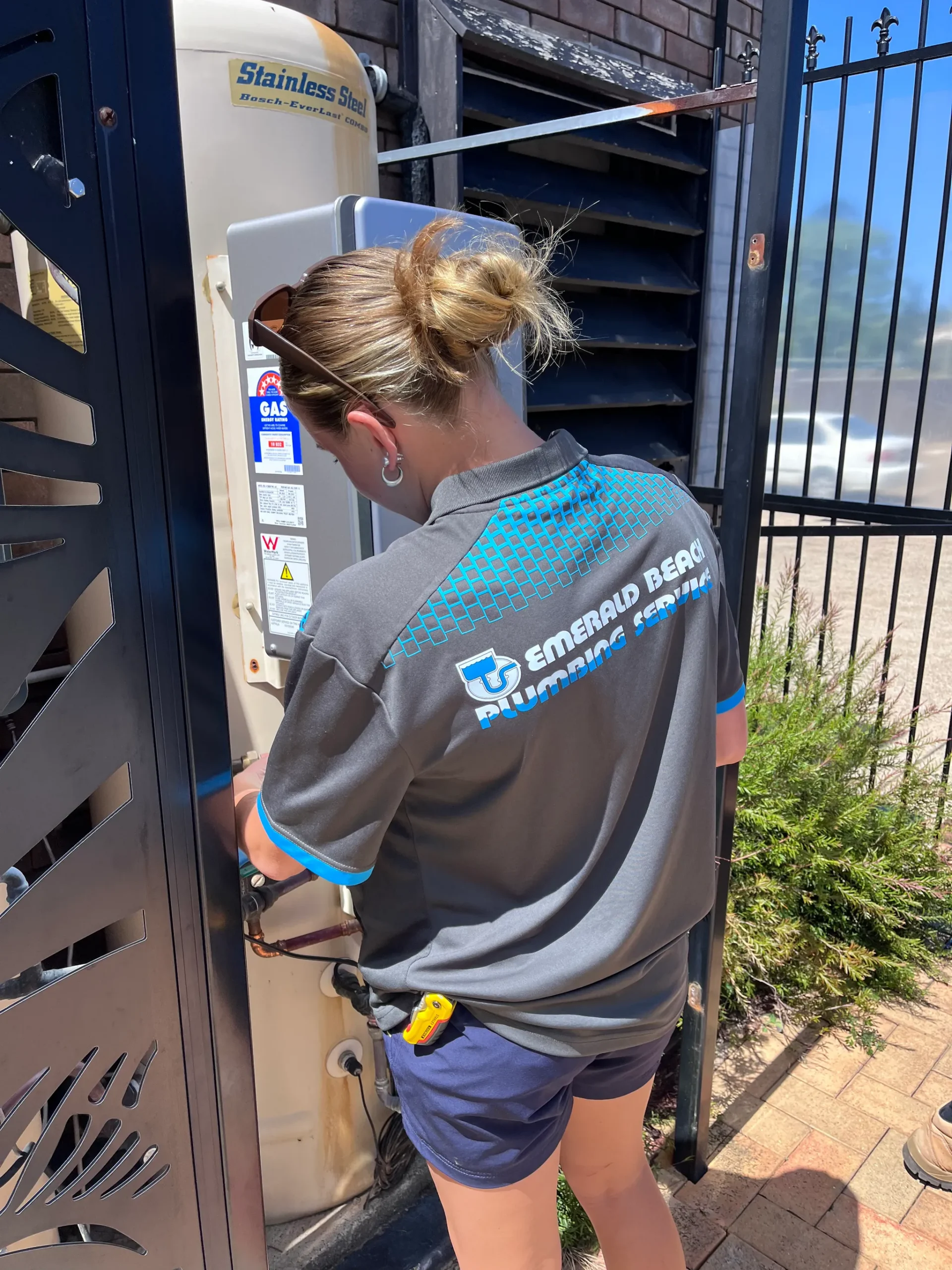
There is a lot to love about living a few streets back from the surf at Sapphire Beach or Emerald Beach. What your hot water system makes of it is another story. That salty sea breeze we all enjoy on the back deck is quietly working away at metal the whole time, and a gas hot water unit that would happily last a decade further inland can start showing rust and wear years sooner near the water.
So a gas hot water installation in a coastal home really does deserve a bit more thought than grabbing whatever is on special. Get the unit, the spot and the installer right, and you will dodge the corrosion, surprise breakdowns and creeping running costs that catch a lot of beachside homeowners out. Here is what to keep in mind before you commit.
Quick answer: For a gas hot water installation in a coastal home, choose a unit built for harsh, salty conditions, position it away from direct salt spray with proper ventilation, and always use a licensed gasfitter. Salt air, humidity and coastal winds all speed up corrosion, so the right system, the right spot and a little ongoing maintenance are what keep it running reliably for years.
| Coastal factor | What it does | What helps |
|---|---|---|
| Salty sea air | Speeds up corrosion on tanks, casings and fittings | A corrosion-resistant unit in a sheltered position |
| High humidity | Keeps everything damp and encourages rust | Good ventilation and airflow around the unit |
| Coastal winds | Carry salt spray further inland than you would think | Install away from the prevailing salty breeze |
| Storm season | Heavy rain and East Coast lows test exposed units | Weather protection and an annual check-up |
Why Coastal Homes Have Unique Hot Water Challenges
Living near the water is the good life, but it asks a bit more of your plumbing and gas systems than an inland home ever would. Three things in particular gang up on a coastal hot water unit.
Salt in the Air
Salt is the big one. It settles on everything (you have probably noticed it on the car, the flyscreens and the outdoor setting) and it speeds up corrosion on the metal parts of a gas hot water system. The closer you are to the breaking waves, from the beachfront blocks at Emerald Beach to the headlands around Woolgoolga, the harder it works.
Humidity and Constant Moisture
Our warm, sticky summers keep everything damp, and moisture is rust’s best mate. Outdoor units cop it worst, sitting out in that humid air day and night.
Those Famous Coastal Winds
A solid southerly will carry salt spray a surprising distance inland, well past homes you would think are safely tucked away. A unit that looks sheltered can still be copping a steady salty dusting.
None of this means gas hot water is a bad idea by the beach. It just means the system has to be chosen and positioned for where it actually lives.
Choosing the Right Gas Hot Water System for Coastal Conditions
Continuous Flow vs Storage Systems
There are two main options. Storage units keep a tank of hot water ready to go and suit bigger households with heavy morning demand. Continuous flow systems (sometimes called instantaneous) heat water as you use it, save space and never run out mid-shower. Both work well on the coast with the right protection, and a quick chat about your household’s habits usually makes the choice obvious.
Build Quality That Stands Up to Salt
This is where it pays not to cut corners. Look for units with corrosion-resistant coatings and quality internal components rated for harsh, coastal environments. As an Official Rinnai Service Agent that also works with brands like Dux, Bosch and Vulcan, our team can point you towards systems that hold up well near the water.
Efficiency and Running Costs
A more efficient unit usually costs a little more upfront, but it quietly saves you money every quarter. Over the life of the system that difference adds up to real dollars, so it is well worth weighing.
Location Matters: Where to Put Your Gas Hot Water System
Where the unit goes is almost as important as which unit you buy. The aim is to keep it out of direct salt spray while still meeting the safety rules for gas. In practice that usually means:
- A sheltered spot, tucked closer to the house or behind a wall, rather than fully exposed to the sea breeze.
- Proper ventilation, which every gas appliance needs to run safely.
- Compliance with local installation and safety regulations, which a licensed gasfitter handles as a matter of course.
A well-positioned unit can easily outlast the same model left out in the weather, so it is worth getting right the first time.
Why Professional, Licensed Gas Installation Is Non-Negotiable
Gas is not a DIY job, and for good reason. In NSW, gas hot water systems are Type A appliances that must be installed by a licensed gasfitter. A qualified installer makes sure the connection to your gas lines is correct, the unit is safe and fully compliant, and everything is tested before they pack up. It also protects your warranty and your insurance, which matters enormously if anything ever goes wrong.
It is the same care we bring to all of our gas fitting work. Emerald Beach Plumbing is fully licensed (Licence 361847C), insured and WorkCover accredited, so the job is done by the book. If you would like a broader rundown on gas appliances first, our guide on what homeowners should know about gas appliance installation is a good place to start.
Keeping a Coastal Gas Hot Water System Healthy
Coastal units just need a touch more TLC than their inland cousins, and a little regular attention goes a long way:
- Have a quick look now and then for early signs of corrosion or rust, especially on outdoor units.
- Flush the system to clear the sediment that builds up over time.
- Book an annual inspection with a licensed gasfitter.
- Keep the unit protected from the weather wherever you can.
This kind of simple upkeep, ideally as part of a regular plumbing maintenance routine, is far cheaper than an early replacement.
What Does a Coastal Gas Hot Water Installation Cost?
There is no one-size-fits-all price, because it depends on the system, your existing setup and the install itself. The smart way to think about it is upfront cost versus long-term value. A cheap unit that corrodes in a few salty summers is no bargain once you are paying to replace it early. Factor in running costs and efficiency too, and keep in mind that coastal homes can carry a little extra for corrosion protection or a sheltered install. We provide a free, no-obligation on-site quote, so you will know exactly what you are looking at before anything goes ahead.
Common Mistakes Coastal Homeowners Make
A few slip-ups come up again and again:
- Choosing a standard unit that is not built for salty conditions.
- Installing it too close to the coastline with no shelter.
- Skipping a licensed gasfitter to save a few dollars.
- Ignoring early rust or wear until it becomes a full breakdown.
Avoid those four and you are most of the way to a long, trouble-free run.
Frequently Asked Questions
How long does a gas hot water system last near the coast?
Gas systems typically last around 8 to 12 years, but salt air and humidity can shorten that if the unit is exposed or poorly maintained. The right system, a sheltered spot and regular servicing all help you get the most out of it.
Can I install a gas hot water system myself?
No. In NSW, gas hot water systems are Type A appliances and must be installed by a licensed gasfitter, both for safety and to keep your warranty and insurance valid.
Is continuous flow or storage better for a coastal home?
Both work well. Storage suits larger households with big morning demand, while continuous flow saves space and never runs out. The best fit comes down to your household size, hot water habits and the space you have available.
How do I protect a gas hot water unit from salt air?
Position it away from direct salt spray, keep it well ventilated, choose a corrosion-resistant model, and book regular maintenance so any rust is caught early.
Planning a Gas Hot Water Installation on the Coffs Coast?
Whether you are building, upgrading or replacing a tired old unit, the team at Emerald Beach Plumbing can help you choose and install a gas hot water system built to handle the salt, sun and storms of the Coffs Coast. From Emerald Beach and Sapphire Beach down to Sawtell and Woolgoolga, we will get it installed properly the first time.
Thinking about a new gas hot water system? Call the team at Emerald Beach Plumbing on (02) 6650 0544 for friendly local advice and a free, no-obligation quote, or submit an online enquiry through our contact form. We will help you pick a system that goes the distance by the beach.